
In the heart of Malegaon, a pioneering Bio CNG Plant is transforming urban waste into clean energy, emerging as a key player in India’s growing network of CNG infrastructure. This facility not only addresses mounting waste management challenges but also supports the national push for sustainable transportation by supplying renewable compressed natural gas to local CNG pumps. As India expands its green mobility solutions, the Malegaon Bio CNG Plant exemplifies how decentralized, eco-friendly technology can power cities while reducing reliance on fossil fuels.
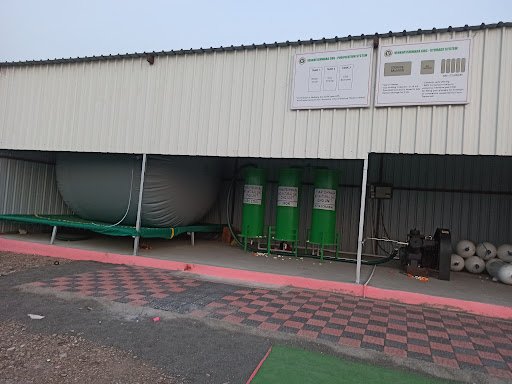
JCCP+G3, Pimpalgaon, Maharashtra 423108, India
The Bio CNG Plant located at JCCP+G3, Pimpalgaon, Maharashtra 423108, India, represents a forward-thinking solution in renewable energy production, converting organic waste into high-purity compressed natural gas for clean fuel applications. This facility exemplifies sustainable waste management and energy generation, significantly reducing greenhouse gas emissions while supporting local energy independence. With a robust operational model, the plant delivers cost-effective and eco-friendly fuel ideal for transportation and industrial use, contributing to a circular economy and rural development in the region.
More information
What is a Bio CNG plant and how does it relate to CNG pump operations in India?
A Bio CNG plant converts organic waste materials like agricultural residue, food waste, and animal manure into compressed biogas through anaerobic digestion, which is then purified to produce bio-CNG—a renewable alternative to fossil fuel-based CNG. In India, these plants are increasingly integrated with CNG pump infrastructure to supply clean fuel for transportation, especially in rural and semi-urban areas like Pimpalgaon, Maharashtra 423108, where decentralized energy solutions are vital. This supports the country’s sustainable mobility goals and reduces dependence on imported natural gas.
How does a Bio CNG plant contribute to the CNG fuel supply chain in India?
Bio CNG plants enhance the domestic CNG supply chain by generating fuel locally from renewable biomass sources, reducing transportation costs and energy losses. In locations such as JCCP+G3, Pimpalgaon, these plants can directly supply nearby CNG pumps, ensuring a steady flow of eco-friendly fuel for vehicles. This decentralized model strengthens energy security and supports India’s National Biofuel Policy, promoting cleaner urban air and rural economic development through waste-to-energy projects.
What are the environmental benefits of operating a Bio CNG plant connected to a CNG pump in India?
A Bio CNG plant linked to a CNG pump significantly reduces greenhouse gas emissions by capturing methane from organic waste that would otherwise escape into the atmosphere. Using purified biogas as vehicle fuel cuts down on particulate matter and carbon monoxide compared to diesel or petrol. In regions like Maharashtra 423108, this contributes to improved air quality and supports India’s climate commitments under international agreements, all while managing agricultural and municipal waste sustainably.
Can Bio CNG from plants like the one in Pimpalgaon supply commercial CNG pumps reliably?
Yes, a well-designed Bio CNG plant in Pimpalgaon, Maharashtra can reliably supply commercial CNG pumps by processing consistent feedstock volumes and maintaining continuous gas production and purification. With proper maintenance and feedstock management, these plants achieve high uptime and fuel quality meeting IS 16087 standards for CNG. This ensures compatibility with existing vehicle engines and infrastructure, making them a viable, scalable solution for clean fuel distribution across India’s growing CNG network.